The programme is the thing testing exists to serve
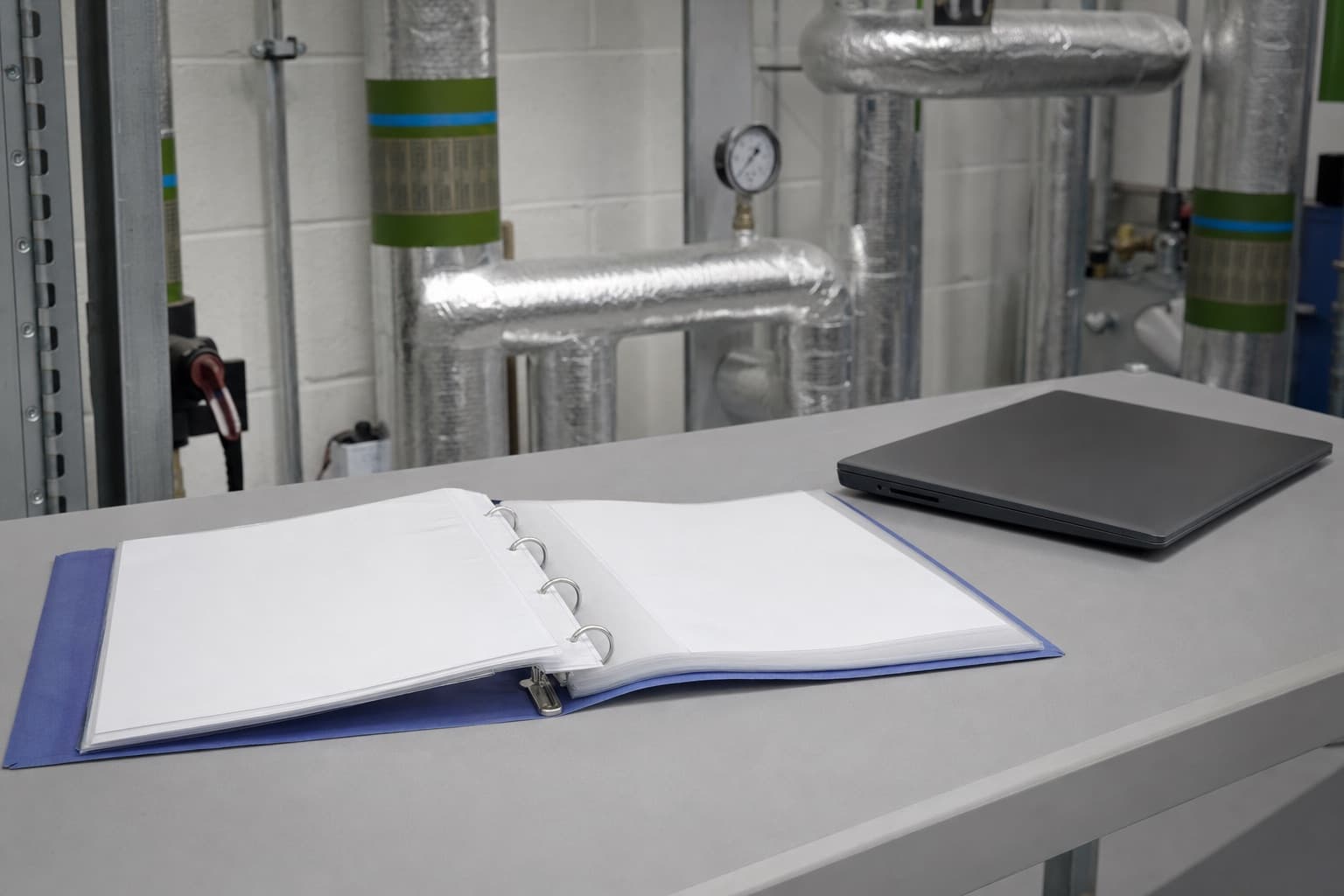
A water management programme is a written description of the building's water systems, the points where they are controlled, the limits that apply, and what happens when a limit is exceeded. Testing verifies that programme. Without one, testing has nothing to verify.
What a programme contains
The shape is consistent across the guidance documents in use, even where the details differ.
- A description of the water systems, usually as a flow diagram: where water enters, where it is heated, where it is stored, where it goes, and where it stagnates.
- The control points: the places in that diagram where something is measured or maintained.
- The control limits: the range each control point is meant to stay inside.
- Monitoring: who checks, how often, and how it is recorded.
- Corrective action: what happens when a control limit is not met, decided in advance rather than in the moment.
- Verification: confirming that the programme is being followed and that it works, which is where testing sits.
- Documentation: the record that any of this happened.
Why the diagram is the hard part
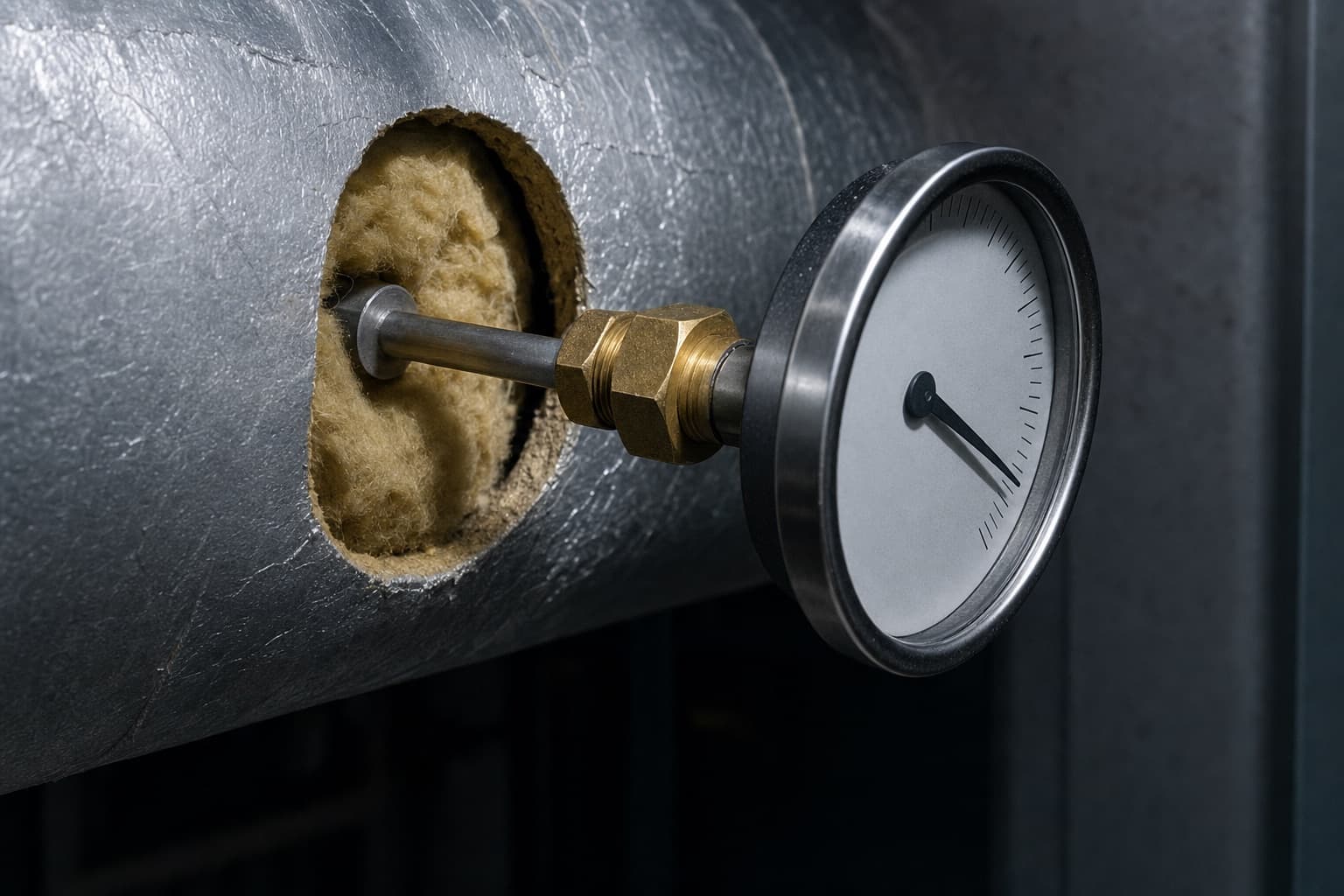
Most buildings do not have an accurate record of their water systems. Renovations added branches, a wing was taken out of use, a fixture was capped but not removed, a heater was replaced with a different arrangement.
Every one of those is a place water can sit. The exercise of walking the building and drawing what is actually there routinely finds dead legs, unused outlets and mixing arrangements nobody had documented, and that finding is often worth more than the first round of samples.
Where testing fits
In programme language, testing is verification: it checks whether the controls are achieving what they are supposed to achieve. That framing has two practical consequences.
- The sampling plan is derived from the diagram and the control points, not from a standard list of taps.
- The response to a result is decided in advance, in writing, as part of the programme, which is what prevents an unexpected number from producing panic or paralysis.
How that plan is built, point by point, is on sampling and analysis.
Who writes it, and who owns it
Typically a team: facilities and engineering, who know the building; a water treatment or environmental professional, who knows the controls; and management, who own the decisions and the budget. Some buildings add clinical or infection-prevention staff, and in healthcare that participation is expected rather than optional.
The programme belongs to the building owner. A consultant can write it; nobody can own it on your behalf, and a programme kept only in a vendor's files is a programme you do not have.
Frequently asked
Is a water management programme required?
It depends on the facility type, on regulators and accreditation bodies, and in some cases on state or local rules. [Applicable requirements to be cited specifically before publication.] Where it is not required, it remains the framework testing is only meaningful inside.
Can we test first and write the programme later?
You can, and the result is a number without a response plan. If budget only allows one thing this year, the system diagram and the control points are usually worth more than a round of samples.
How often is a programme reviewed?
At a defined interval and after any change to the building or its systems. A renovation, a long vacancy or a change to water heating are all reasons to revisit it before the calendar says so.
Last reviewed July 29, 2026.
Start with the programme, not the sample
Request testing and its systems. Providers who do this work properly will ask about the programme before quoting a sampling round, and that is the right order.
Legionella Screen samples building water systems and cooling towers and has the samples analysed by culture in an accredited laboratory. It does not diagnose illness, does not treat anyone, and gives no medical advice of any kind.