Legionella testing: what it establishes, and what it does not
Environmental testing tells you what was present, at the points sampled, on the day sampled. That is genuinely useful, and it is a narrower statement than most people expect when they commission it. This page sets out both halves honestly.
Before anything else
If you are here because somebody may be ill, or because a health department has contacted you, that conversation comes first. Contact your local or state health department and the clinicians involved before commissioning environmental testing, they will tell you what sampling they want and how it should be handled.
This site is not a health authority, gives no medical advice and interprets no results. That is not a formality; it is a boundary the whole site is written inside. See urgent situations.
What environmental testing actually is
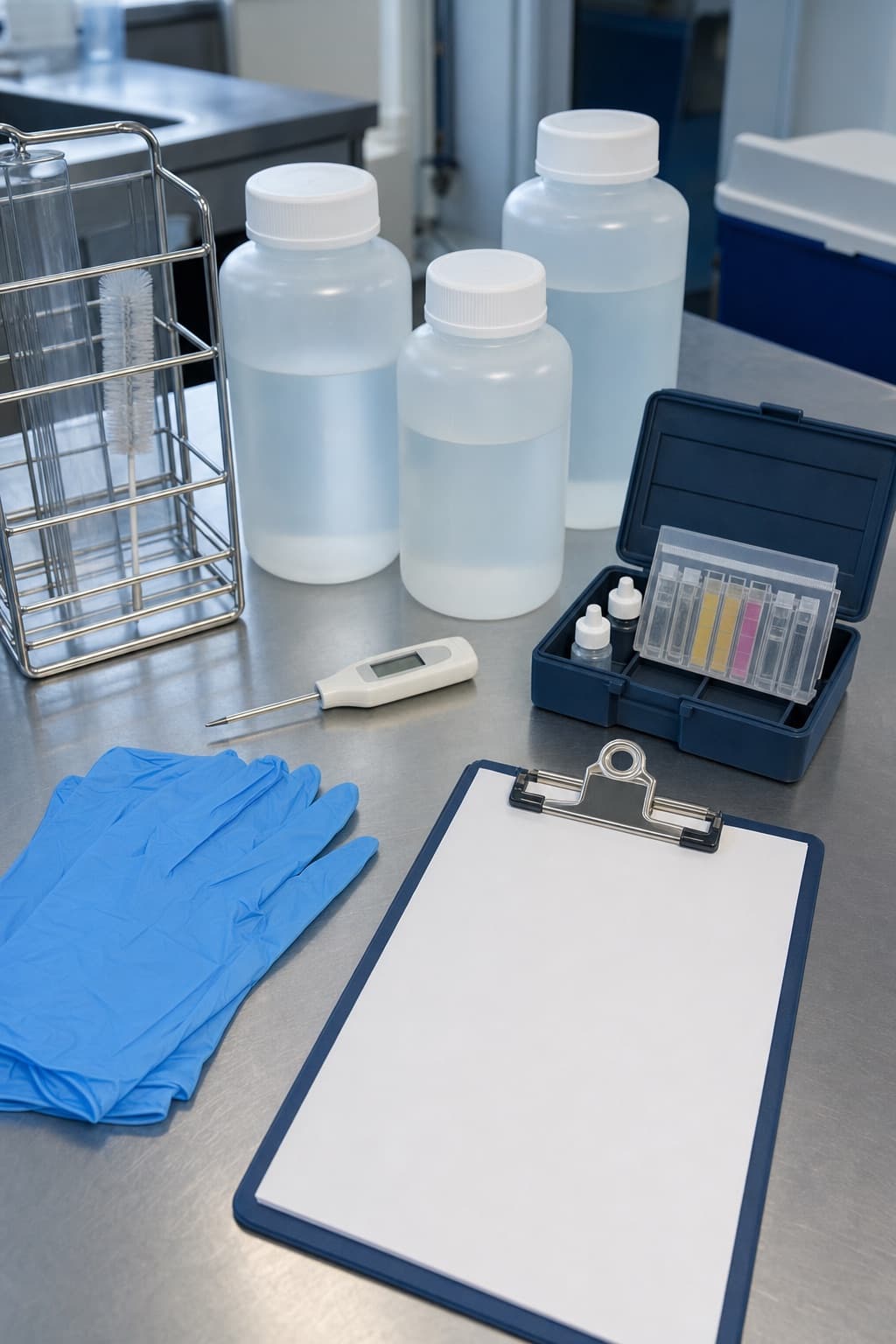
Samples of water, and sometimes of biofilm from surfaces, are collected at defined points in a building's water systems, transported under controlled conditions, and analysed by a laboratory. The report says what was detected, in what quantity, at each point.
Four decisions determine whether that report is worth anything: which points were sampled, how many, how the samples were handled between the building and the bench, and which laboratory method was used. Only the last of those happens in a laboratory.
What a result does not establish
This is the part that gets skipped, and it is the part that causes harm, because a result read as more than it is produces false comfort.
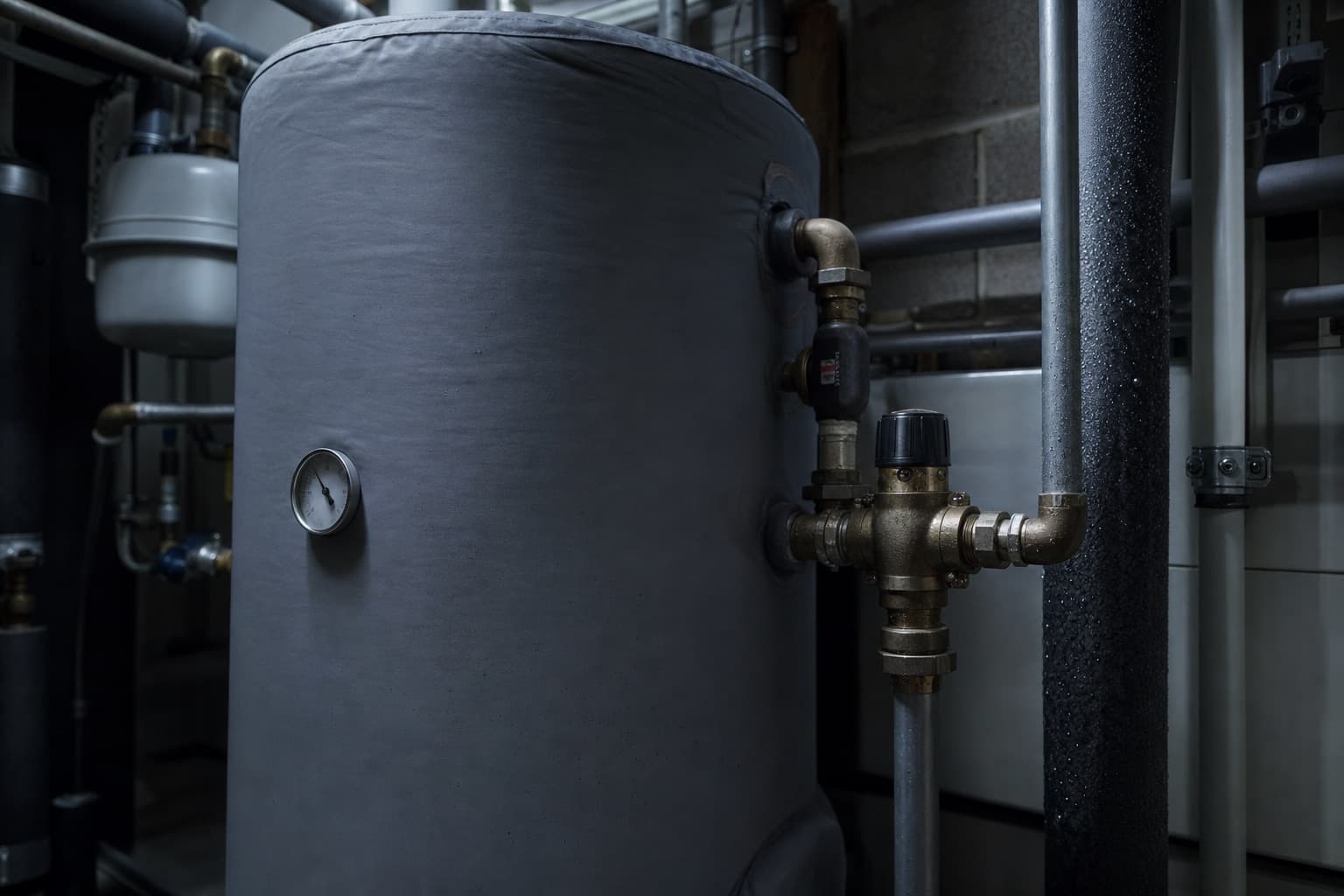
- A negative result at a point does not mean the organism is absent from that point at other times. Water systems vary with temperature, usage and season.
- A negative result at sampled points says nothing about points that were not sampled.
- A result does not establish that a building is safe. Safety is a property of a managed system over time, not of a sample.
- A result does not establish a source of illness. That determination belongs to public health investigators, working with clinical information this site never sees.
- A detection does not by itself mean anyone will become ill.
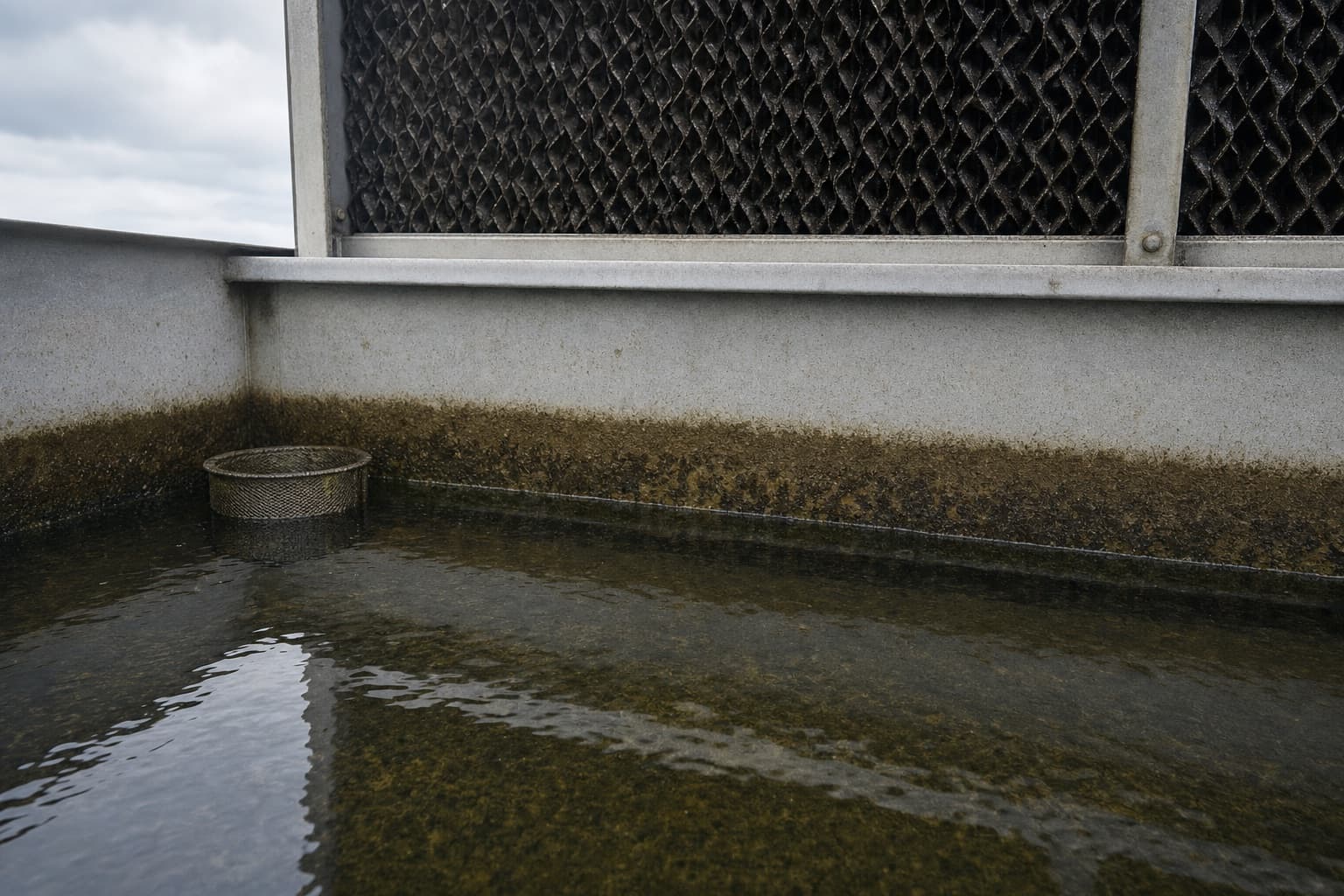
None of that is an argument against testing. It is an argument for testing inside a programme, which is what the programme page is about.
Who does what
- The building owner or operator is responsible for the water systems, and for the programme that manages them.
- An environmental or water-treatment professional designs the sampling and, usually, collects it.
- A laboratory analyses the samples using a defined method, under an accreditation.
- A qualified professional, not a website, and not a laboratory report on its own, puts the results in the context of the programme and the building.
- Public health authorities handle anything involving human illness.
When testing is worth commissioning
- As verification inside an existing water management programme, on a defined schedule.
- When a requirement applies, a regulator, an accreditation body, an insurer or a client audit.
- After a change to the building: renovation, a period of low occupancy, a reopening, a change to the water heating or treatment.
- When a programme is being written and a baseline is needed.
- When a health authority asks for it, in the form they ask for it.
Testing commissioned outside those situations, a single round, no programme, no plan, usually produces a number nobody can act on, and occasionally produces a false sense of resolution. That is the most expensive outcome available.
Frequently asked
Does a negative result mean the building is safe?
No, and no report should be read that way. It means the organism was not detected at those points, by that method, on that day. Safety is a property of a managed system over time.
Who can interpret the results?
A qualified professional familiar with the building and its programme, and, where illness is involved, public health authorities. This site interprets nothing and does not publish limits or thresholds.
How often should a building be tested?
The frequency comes from the programme and from whatever requirement applies to the building, not from a general rule, and not from this page. See water management programmes.
Last reviewed July 29, 2026.
Related pages
- Sampling and analysisSpecify sampling rather than accept whatever is offered.
- Water management programmesPut testing in its proper place, downstream of a programme.
- Commercial buildingsMap a building before designing a plan for it.
- What drives the costCompare quotes that are not describing the same work.
Request testing before commissioning a round
Building type, systems present, whether a programme exists, and why testing is being considered. That is what lets a provider propose a plan rather than a price per sample.
Legionella Screen samples building water systems and cooling towers and has the samples analysed by culture in an accredited laboratory. It does not diagnose illness, does not treat anyone, and gives no medical advice of any kind.