Urgent situations: what this site will and will not do
If somebody may be ill, this page has one job: to get you to the right people quickly. Environmental testing has a role in these situations, and it is not the first one.
Call public health first
A suspected or confirmed case, a cluster, or an enquiry from a health department is a matter for your local or state health department and for the clinicians treating the person. Contact them before commissioning environmental testing.
There are two practical reasons, beyond the obvious one. They may want sampling performed in a particular way, at particular points, by a particular laboratory, and testing done differently beforehand can be of limited use to their investigation. And they can tell you what other steps matter in the meantime.
If anyone is acutely unwell, that is a medical emergency and should be treated as one. We are not an interlocutor in that situation, and we will say so on the call.
What we will and will not do
- We will sample and report, and we will say plainly that public health authorities take precedence over anything we do.
- We will not interpret a result, connect a result to a person, or advise on health.
- We will not suggest that testing resolves a health situation, and we will not present a negative result as reassurance.
- We will not collect information about any individual's health, and none should be entered into the form.
The intake form reflects this: it offers no clinical option at all, and it shows the public health notice beside the field rather than after it, see how we work.
Where environmental testing does fit
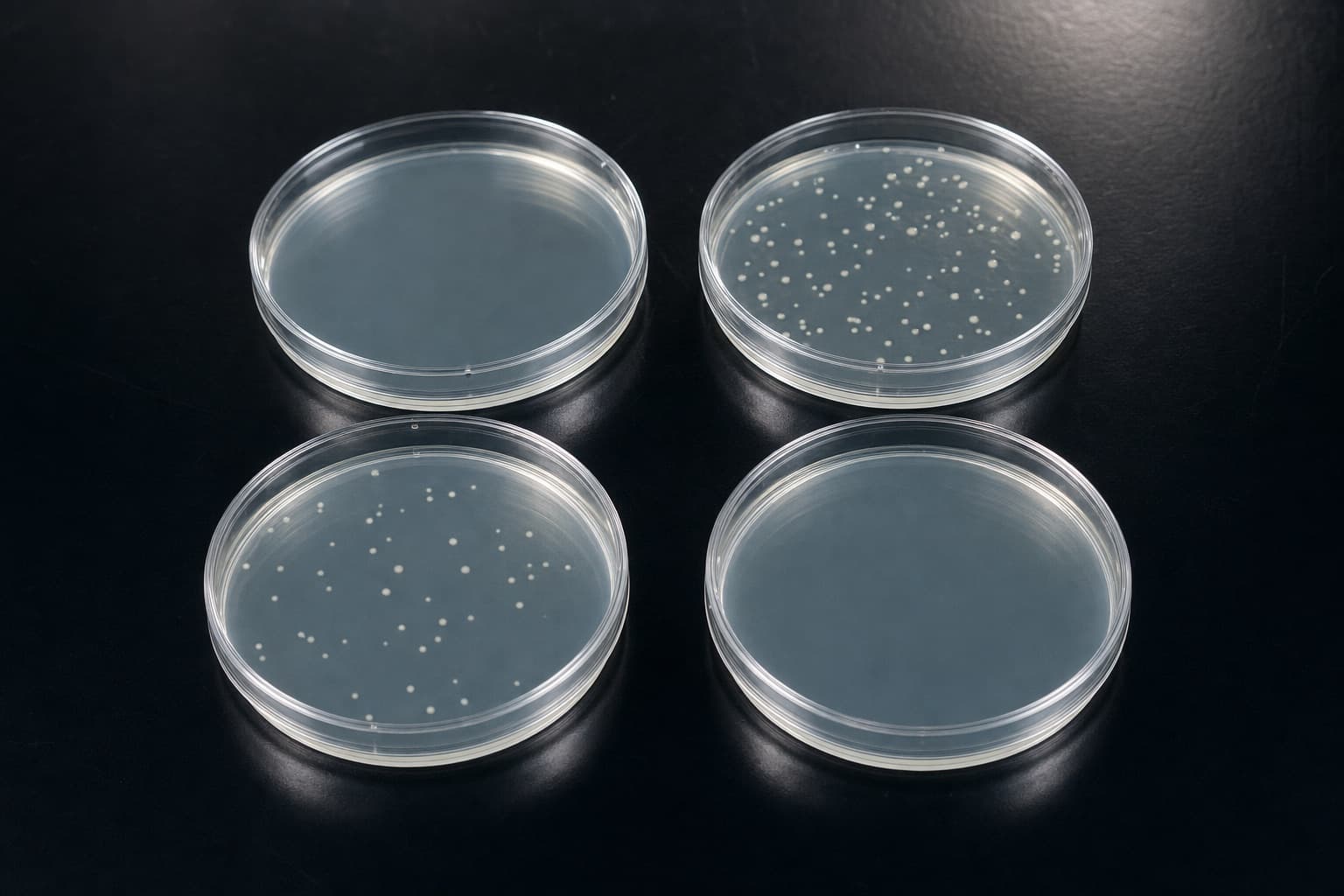
Once the health authorities are engaged, environmental sampling is usually part of what follows, often directed by them, sometimes performed by them, sometimes commissioned by the building owner under their direction.
- Ask what sampling they want, at what points, by what method, and by whom.
- Preserve the state of the system unless told otherwise: flushing or shocking a system before samples are taken can remove the evidence an investigation needs.
- Document everything, operating conditions, temperatures, recent changes, maintenance records.
- Use a laboratory and a method acceptable to them, not the fastest one available.
- Keep the chain of custody rigorous, because these results may be examined closely later.
Other urgent situations that are not health situations
Not every urgent request involves illness. A reopening deadline, an audit next week, an insurer's letter, a client requirement with a date on it, these are genuinely urgent and are ordinary commercial urgency.
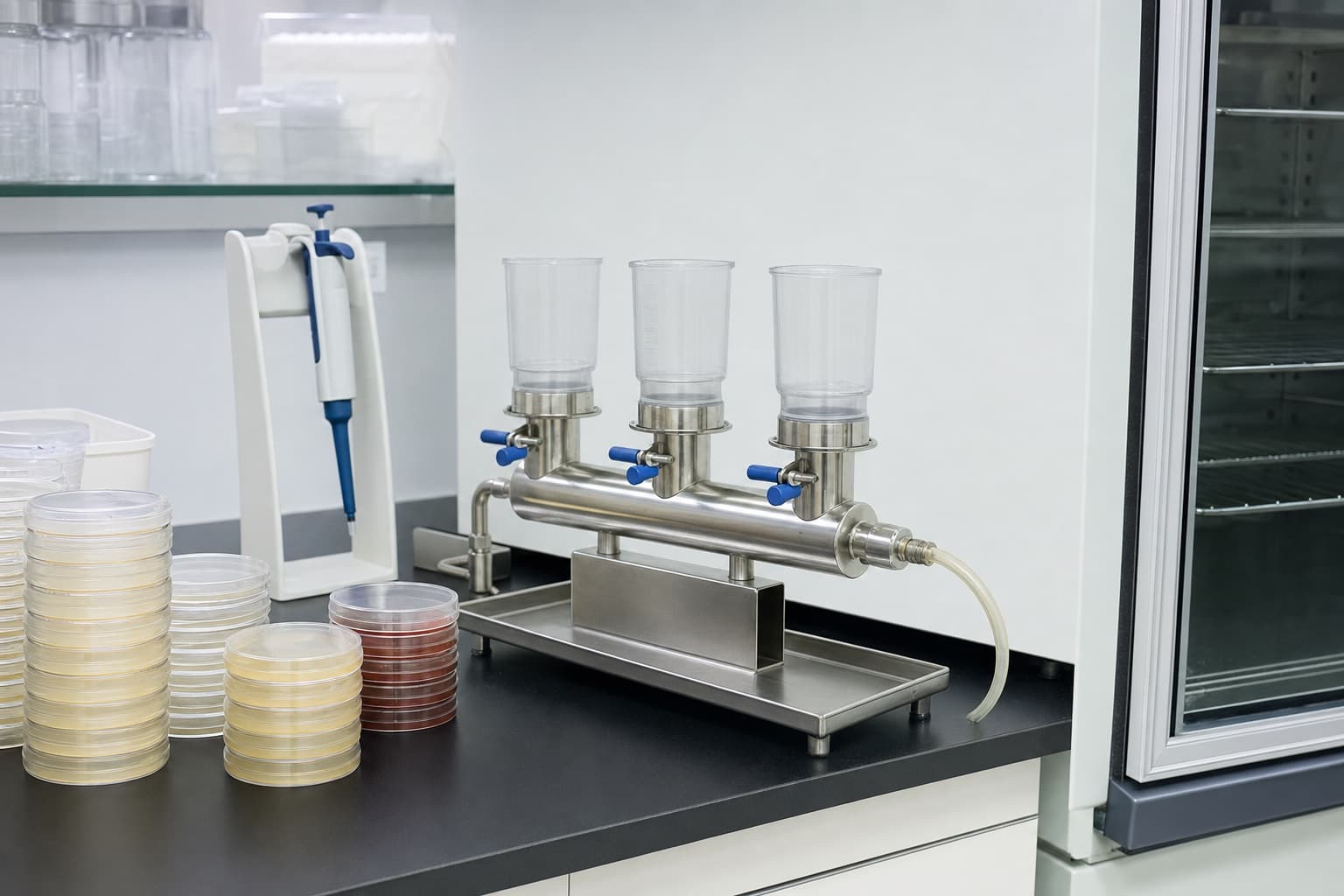
For those, the useful levers are turnaround time and provider availability. Say the deadline explicitly when describing the request: it changes which providers can help, and it changes the method that makes sense.
Frequently asked
Should we shut the building down?
That is a decision for the health authorities and for the people responsible for the building, taking advice appropriate to the situation. It is not a decision this site can contribute to.
Should we flush or disinfect the system before testing?
Not without asking first, if an investigation is under way, remediation before sampling can remove information the investigation needs. Ask the authority what they want done and in what order.
How fast can results come back?
It depends on the method, and the differences are substantial. In an investigation the method is usually chosen for what it establishes rather than for speed.
Last reviewed July 29, 2026.
Describe the situation, after you have called
If a case is suspected or confirmed, contact public health and the clinicians first. Once that is under way, a provider can be brought in against what they ask for.
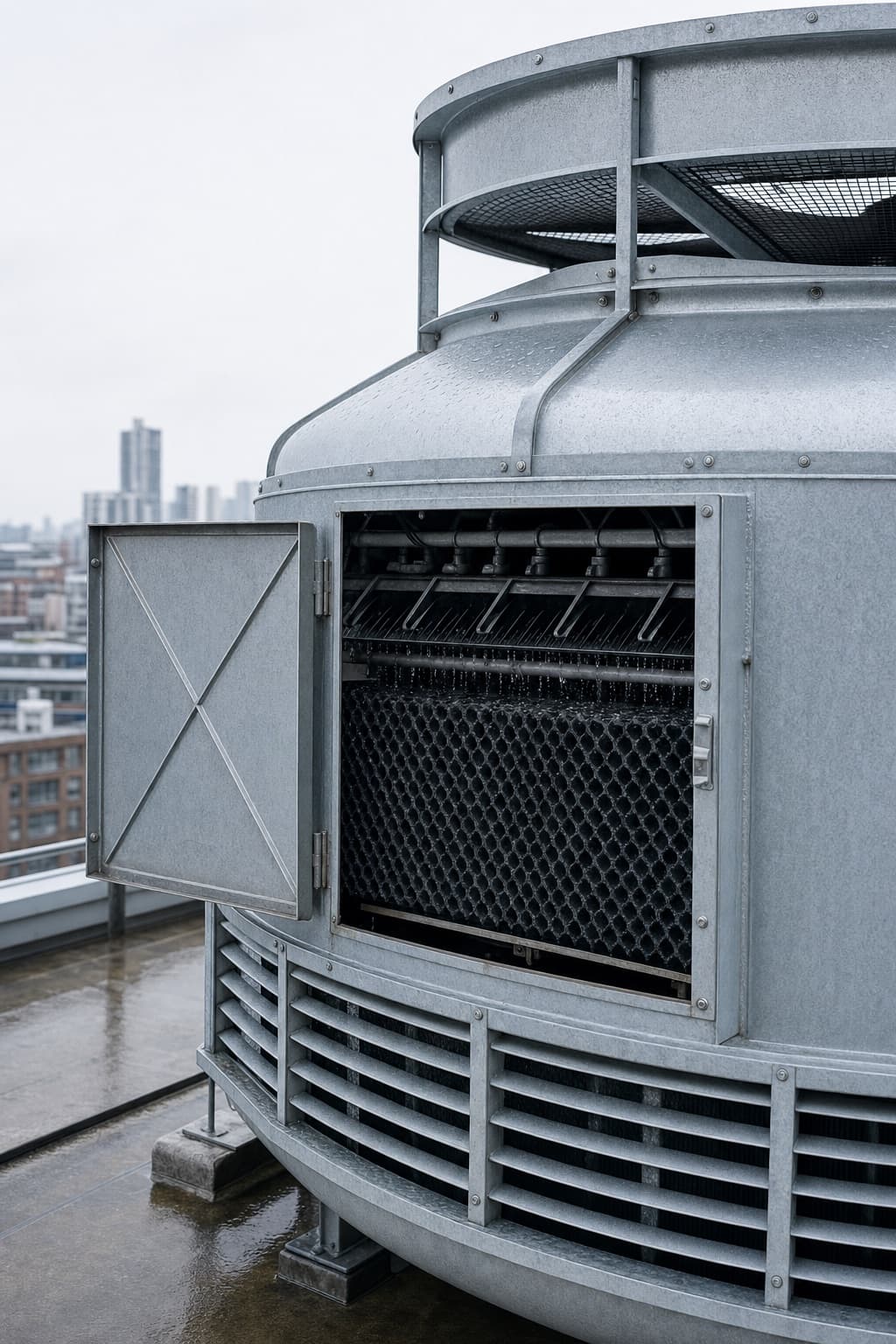
Legionella Screen samples building water systems and cooling towers and has the samples analysed by culture in an accredited laboratory. It does not diagnose illness, does not treat anyone, and gives no medical advice of any kind.